How Swiss machining works
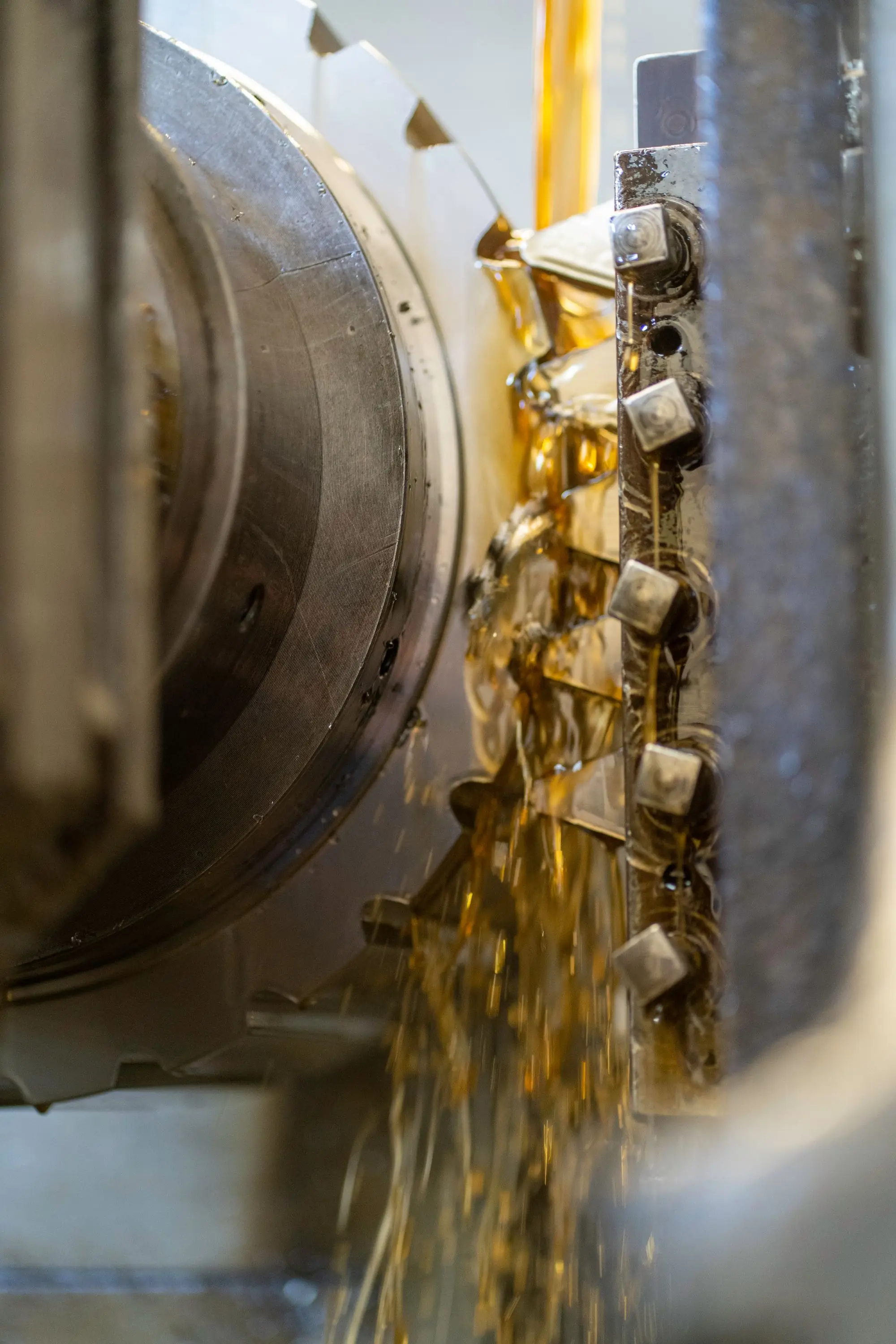
On a Swiss-type lathe the bar stock slides through a guide bushing, and the cutting tool works right next to that support. Because the part is always supported at the cut, long and thin parts don't deflect, and turning, milling, drilling, and threading can finish in one cycle.
When Swiss is the better choice
- Length-to-diameter ratio above about 3:1
- Small diameters and micro features
- Tight concentricity and runout
- Medium to high volumes
- Complex parts that would otherwise need several setups
When conventional CNC turning is better
- Larger diameters
- Short, stubby parts
- Prototypes and very small lots
- Castings, forgings, or heavy stock removal
Not sure?
Send the print. During DFM review we'll recommend the process that gives you the best cost and quality, and explain why.